The Indian Women’s Health Report 2021*
Working women face a conflict of interest while balancing familial/ personal and professional obligations



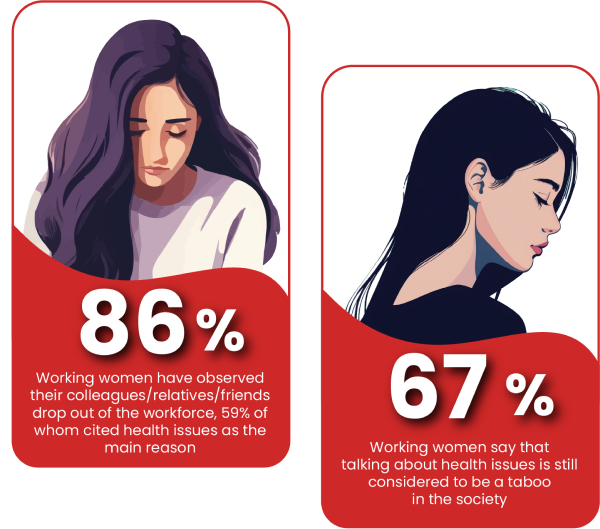
Working women face a conflict of interest while balancing familial/ personal and professional obligations
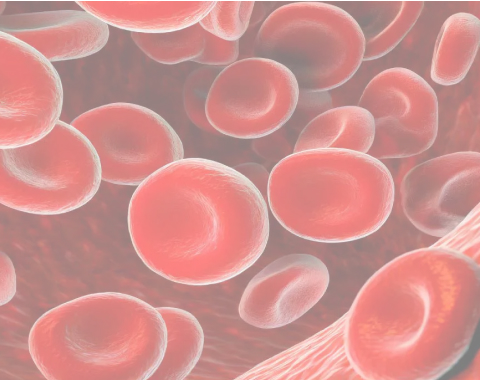
Anemia is global health concern, especially among children, adolescent girls, women of reproductive age, pregnant and postpartum women.7 Iron is an essential nutrient and component of the haemoglobin in red blood cells which helps in transport of oxygen around the body.8 In anemia, the red blood cell count is reduced and the body’s ability to meet the oxygen demands of tissues is impaired.9 Iron deficiency anaemia (IDA) is a condition in which the body has too little iron in the bloodstream. This form of anaemia is more common in adolescents and in women before menopause. Blood loss from heavy periods, internal bleeding from the gastrointestinal tract may also lead to IDA.10 Anemia has both immediate and long-term negative consequences on health. Anemia, especially iron-deficiency anemia, during pregnancy is associated with several adverse outcomes for both the mother and her baby.9 The impact of anaemia in young women is perhaps less discussed but is associated with greater postpartum haemorrhage and a consequential increased mortality risk.8
If you have or think you may have a bleeding disorder and are planning a pregnancy, consult a doctor, especially one experienced with high-risk pregnancies.


Fatigue

Weakness

Pale or Yellowish skin

Irregular Hartbeats

Shortness Of Breath

Dizziness or Lightheadedness

Ringing In Ears

Headaches

Altered Taste

Sore Mouth
To help diagnose anemia/IDA, your doctor may ask for a blood test to check your complete blood count (CBC), hemoglobin levels, blood iron levels, and ferritin levels (stored iron).

There are various treatments available to treat anemia based on your symptoms, severity and other conditions. Consult your gynecologist to seek the treatment, which is best suited to you.

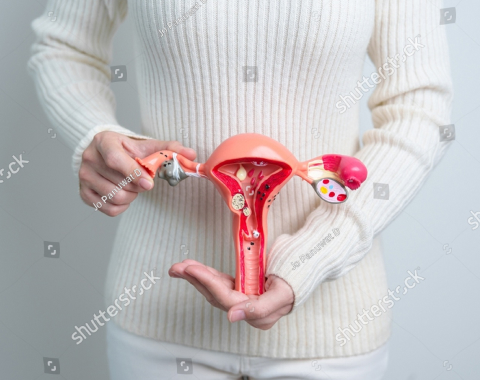
Polycystic ovary syndrome (PCOS) is a common condition that occurs when a woman’s ovaries or adrenal glands produce more male hormones than normal. It may also lead to formation of cysts (fluid-filled sacs) in one or both the ovaries.
The symptoms may vary from person to person. Common symptoms may include –
A bleeding disorder makes it hard for the body to stop bleeding. These disorders are often inherited but can also be caused by other health issues or certain medicines.
Heavy menstrual bleeding, or menorrhagia, is when a woman face heavy period that may last for more than 7 days. If left untreated, they are at increased risk of anemia, pain during menstruation, hospitalizations, blood transfusions, limitations in daily activities, time lost from work or school, and a reduced quality of life.
When to see a doctor – Visit your doctor if you have:
There are various treatments available based on your symptoms, severity and other conditions. Consult your gynecologist to seek the treatment, which is best suited to you.
Acute Uterine Bleeding (AUB)(5,6)
Bleeding is considered as abnormal uterine bleeding when there is –
Abnormal uterine bleeding can be a chronic condition, which means that it has happened often for at least the past 6 months.However, sometimes there are sudden, unusual episodes of abnormal bleeding which is called as acute abnormal uterine bleeding.
At what age AUB is more common –
It can occur at any age. However, at certain stages of a woman’s life it is common for periods to be somewhat irregular:
If you experience any such changes, consult with your obstetrician–gynecologist) for effective treatment.
Menopause is when a woman’s periods stop permanently, defined as not having a period for 12 months in a row. Menopause is a normal part of aging and every woman goes through it. It usually occurs naturally, most often after age 45.The time leading up to menopause is called the menopausal transition, or perimenopause. This transition usually begins when woman is in her 40s, but sometimes it can start earlier. It can last for several years. The most common age for reaching menopause is between 45 and 55 years old.
During menopause, hormone levels change and can cause
If menopause symptoms affect you, consult a doctor for advice on managing them.
There are hormonal as well as non-hormonal treatment options to treat menopausal symptoms. It is advised to consult physician before starting any medication.
What Is Menopausal Hormone Therapy? Hormone therapy (sometimes called hormone replacement therapy) can help relieve symptoms like hot flashes and dryness. However, like every treatment it has both benefits and risks, so doctors advise using the lowest dose for the shortest time. A lower-dose topical therapy (like a cream or vaginal ring) is also available for dryness.
How Long is a Menstrual Cycle? A menstrual cycle is measured from the first day of one period to the first day of the next. The average cycle length is 28 days, but it varies for everyone and may differ month to month.
What is Ovulation? Ovulation is when an egg is released from the ovary and can be fertilized. The most fertile days are the three days before and the day of ovulation.
When Should I See a Doctor? Visit your doctor if you have:
How Does My Menstrual Cycle Affect My Health?
Hormonal changes throughout the cycle can influence various health conditions