The Indian Women’s Health Report 2021*
Working women face a conflict of interest while balancing familial/ personal and professional obligations


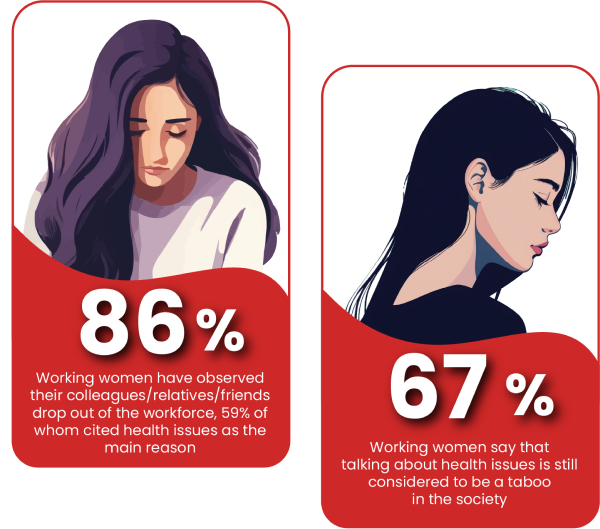
Working women face a conflict of interest while balancing familial/ personal and professional obligations
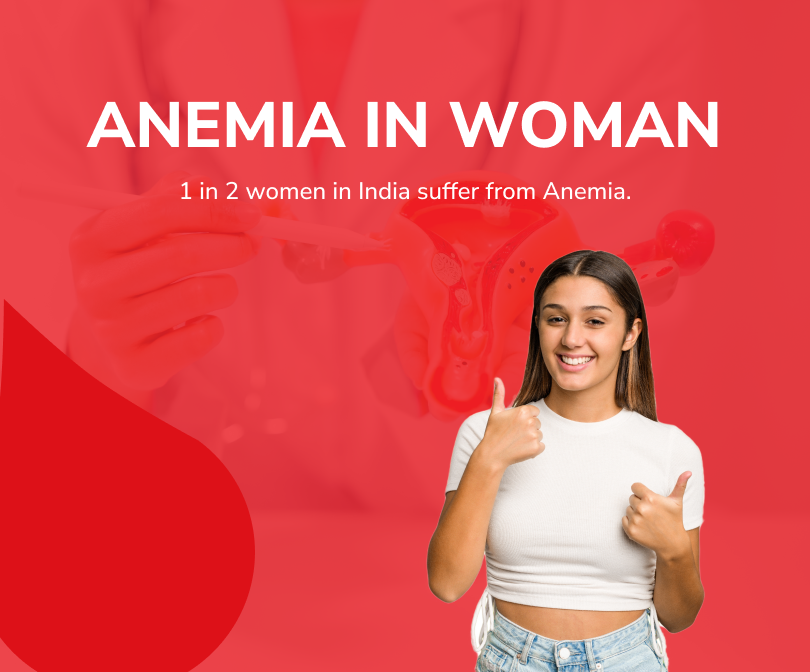
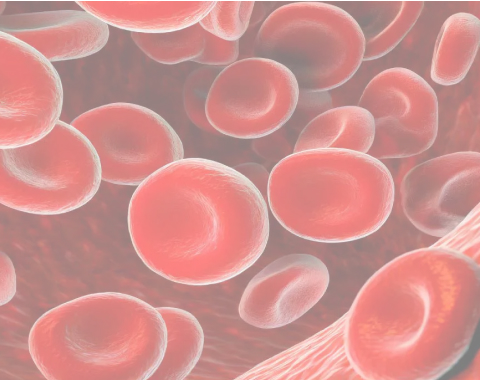
Anemia is a global health concern, particularly affecting children, adolescent girls, women of reproductive age, and pregnant or postpartum women.1 Iron, a key component of hemoglobin, enables oxygen transport in the body.2 Iron-deficiency anemia (IDA), caused by low iron levels, is common in adolescents and premenopausal women, often due to heavy periods or internal bleeding.4 Anemia can have serious health consequences, including increased risks during Read More
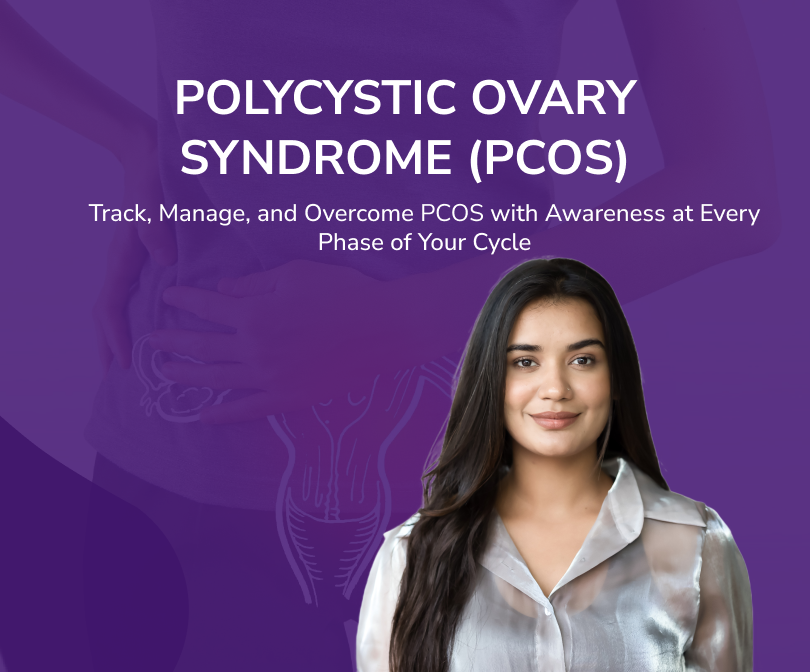
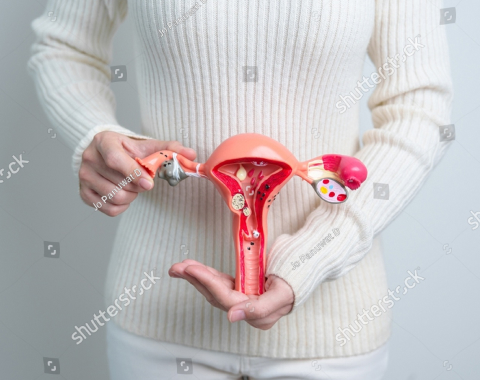
Polycystic Ovary Syndrome (PCOS) is a common hormonal condition where the ovaries or adrenal glands produce excess male hormones, sometimes leading to cyst formation in one or both ovaries. Symptoms of PCOS vary but often include irregular periods, excess hair growth on the face or body (hirsutism), and acne, particularly on the face, chest, or back. These symptoms can significantly impact a woman’s physical and emotional well-being.
While PCOS has no cure, its symptoms can be managed with appropriate treatment and lifestyle changes. Left untreated, PCOS may contribute to complications like iron deficiency anemia, bleeding during pregnancy, and heavy postpartum bleeding (postpartum hemorrhage). Early diagnosis and management are key to reducing these risks and improving overall health.
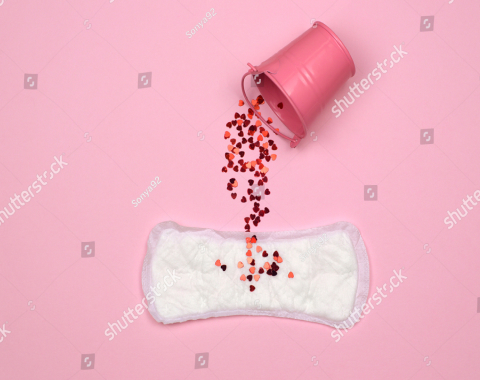
Bleeding disorders, which impair the body’s ability to stop bleeding, can be inherited or caused by other health issues or medications. Conditions like Menorrhagia or heavy menstrual bleeding (HMB) involve periods lasting over 7 days or excessive flow, increasing anemia risk if untreated. Abnormal uterine bleeding (AUB) includes bleeding between periods, after sex, or menopause, irregular cycles, or unusually heavy periods, and may occur during early menstruation (ages 9–14) or perimenopause (around age 50). If you experience heavy bleeding (e.g., soaking a pad/tampon hourly for over 2 hours), bleeding between periods, or after menopause, consult a gynecologist for effective treatment options.
Menopause marks the permanent end of a woman’s periods, defined as no periods for 12 consecutive months, typically occurring between ages 45-55. The transition phase, called perimenopause, can begin in the 40s and last several years. Common symptoms of menopause include hot flashes with sweating and chills, vaginal dryness, causing discomfort during sex, irregular periods (lighter, heavier, or unpredictable), trouble sleeping, mood changes, forgetfulness or difficulty concentrating, urinary issues, depression, anxiety, or changes in sexual desire.
The condition can be managed easily with treatment options such as hormonal therapy. Menopausal Hormone Therapy can ease symptoms like hot flashes and dryness but comes with risks, so it’s recommended to use the lowest dose for the shortest time. Always consult a doctor for personalized advice.
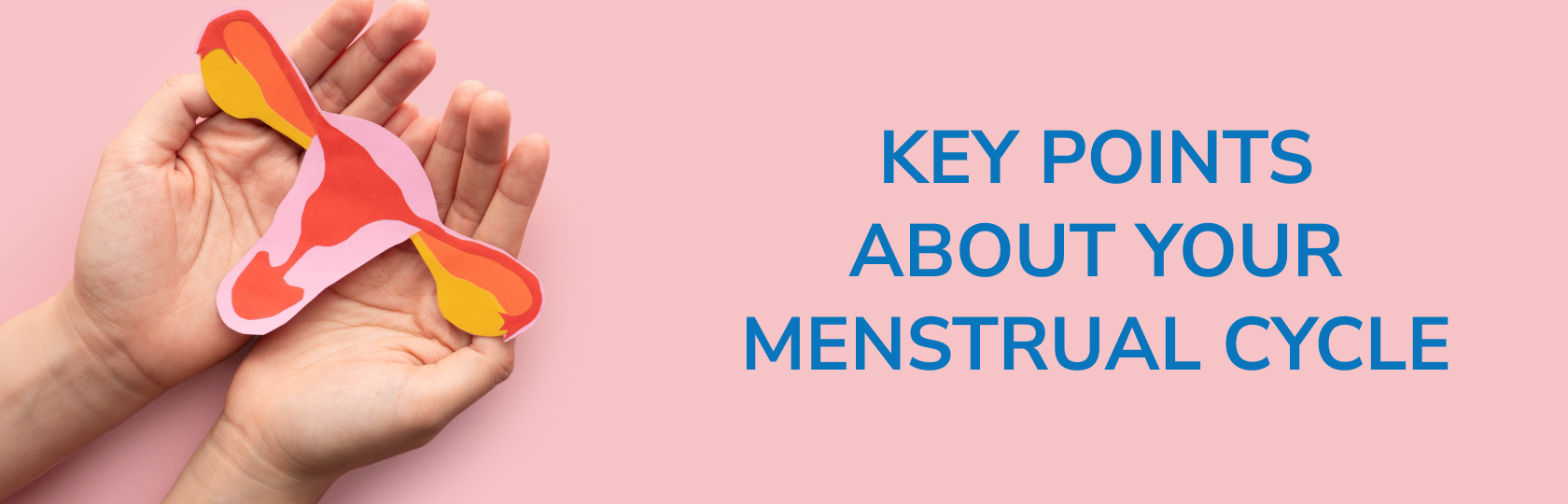
A menstrual cycle is measured from the first day of one period to the first day of the next. The average cycle length is 28 days, but it varies for everyone and may differ month to month.
Ovulation is when an egg is released from the ovary and can be fertilized. The most fertile days are the three days before and the day of ovulation.
Visit your doctor if you have:
Hormonal changes throughout the cycle can influence various health conditions